
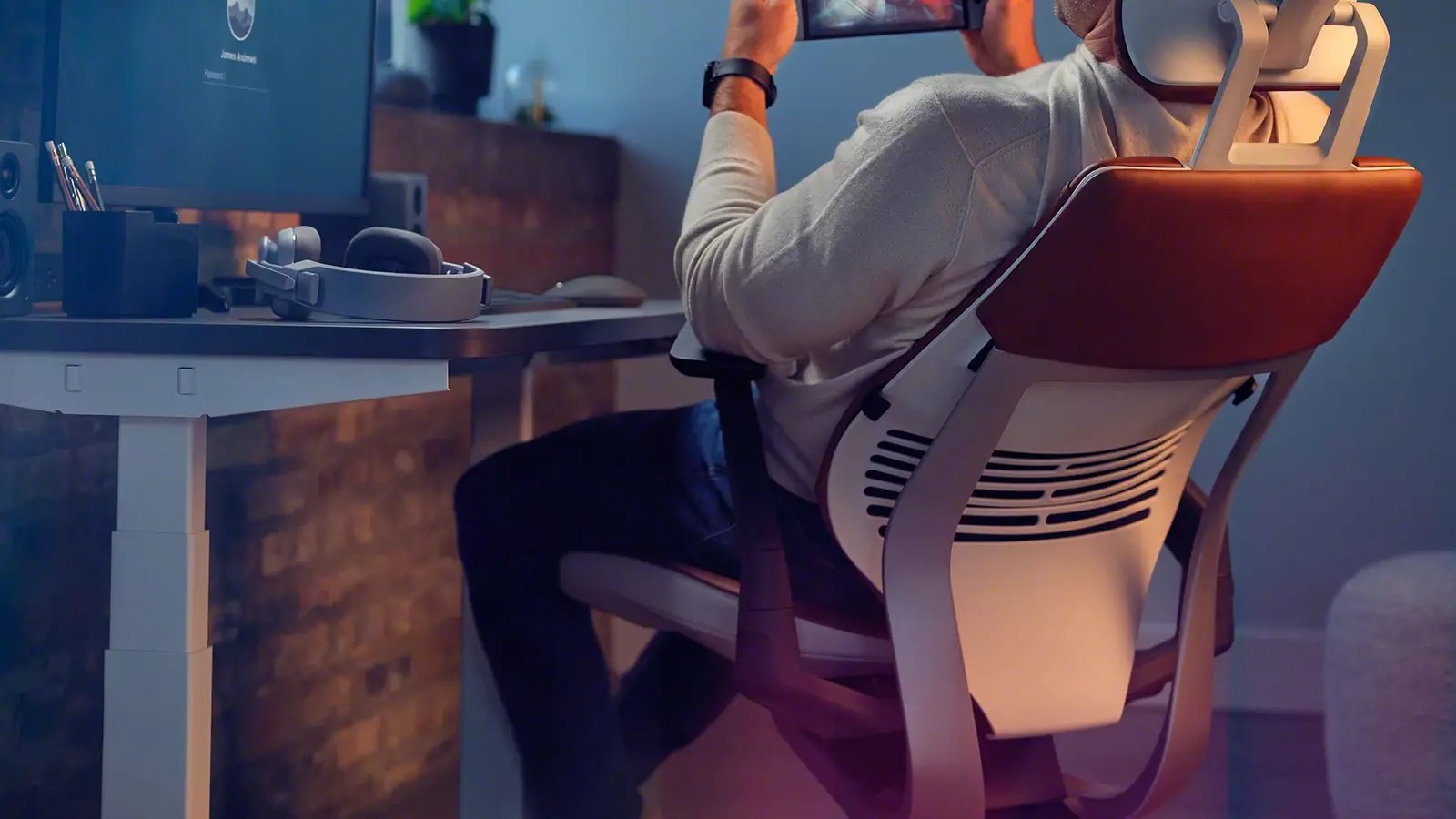
I’ve spent the last five years sitting in the Steelcase Gesture. Working from my home office means I need gear that actually works. Not just stuff that looks good on camera.
Tired of replacing budget office chairs every two years because the padding flattened out? You’re probably eyeing high-end ergonomic options. The Gesture always makes the top lists. But buying one sight-unseen is a massive commitment. Let’s look at what five years of eight-hour workdays really tells us. What do the spec sheets hide? What do you actually need to know before pulling the trigger?
The 30-Second Breakdown
If you’re skimming, here’s exactly what you’re getting into:
| The Good | The Bad | The Bottom Line |
| Flawless frame durability | Requires high upfront cash | Built to last a decade |
| Unmatched armrest mobility | Seat cushion is very firm | Fixes bad posture habits |
| Dialed-in ergonomic fit | Heavy and hard to return | Needs aftermarket wheels |


The Seat and Posture: Firm, Not Fluffy
Let’s clear something up right away. If you’re expecting a plush chair that feels like a living room recliner, stop reading. The Gesture uses high-density foam. It feels surprisingly firm when you first sit down.
That firmness is entirely intentional. It keeps your pelvis aligned, stopping you from slumping after hours of typing. The built-in seat depth slider lets you dial in the fit whether you’re 5’4″ or 6’4″. But if you prefer a heavily cushioned seat, you’ll probably experience sit-bone fatigue during long stretches. This chair trains you to sit correctly. Sometimes, that transition is physically demanding.
Those 360-Degree Armrests: Brilliant, But Restless
The biggest selling point is the armrests. They articulate across multiple axes. They track with your arms whether you’re typing on a keyboard, holding a tablet, or kicking back with a controller. They reduce shoulder strain better than most alternatives.
There’s a catch, though. They lack rigid locking detents. Because they move so freely, you’ll inevitably bump them out of position when standing up or shifting your body. It’s a minor annoyance. Still, when you spend this much on a chair, you notice these details. You’ll find yourself constantly readjusting them to find your sweet spot.

The Headrest Dilemma
My model includes the headrest. It looks great, but it’s mechanically finicky. While it adjusts for height and tilt, it doesn’t always stay exactly where you want it if you lean back with force. For taller users, it can push the neck slightly forward into a “text-neck” posture when sitting upright. Unless you’re prone to deep reclining while working, you’re probably better off skipping the headrest entirely.
Where Customization Stacks Up
One thing that catches first-time buyers off guard is how fast the customization options stack up. The baseline model comes with standard fabric and a black plastic frame. But the moment you start clicking add-ons, the checkout total climbs quickly.
Adding the factory headrest, swapping the standard dark frame for a polished aluminum base, or upgrading from standard Cogent: Connect fabric to premium leather will significantly bump up your final cost. If you’re trying to keep costs down, sticking with the standard fabric and base finish keeps the total manageable while delivering the exact same ergonomic mechanics underneath.
The 5-Year Wear & Tear Report
Here is exactly how the hardware held up after thousands of hours of use:
| Chair Component | Condition After 5 Years | Notes |
| Seat Cushion | Firm, no flattening | Held shape perfectly despite hours of daily use. |
| Upholstery (Fabric) | Intact, zero fraying | Magnet for dog hair; requires frequent lint rolling. |
| Arm Mechanisms | Smooth, no grinding | Still shift easily; detents remain loose by design. |
| Gas Cylinder (Height) | Strong, no sinking | Holds position flawlessly without dropping. |
Fabric, Maintenance, and… Dog Hair
I went with the Licorice black fabric from their Cogent: Connect line. The material breathes reasonably well during humid summers. It hasn’t sagged a bit over five years.
However, it’s a total magnet for pet hair. My 25-lb Miniature Pinscher, Bubba, loves brushing past it. I find myself hitting the seat with a lint roller twice a week. Spot cleaning coffee drips is easy enough with a damp cloth. Keep the pet factor in mind if you have a shedding dog or cat, though. You might want to opt for a lighter color or a different textile finish if pet hair drives you crazy.
If the Gesture sounds close but not quite right, the Embody is the other premium chair worth considering.
If the Steelcase Gesture is the chair for people who want maximum adjustability, the Herman Miller Embody is the premium alternative for buyers who care most about pressure distribution, healthy movement, and a more sculpted modern design.
It uses Herman Miller’s Pixelated Support system, which is designed to conform to micro-movements and spread pressure across the seat and back instead of relying on a traditional plush cushion.
Like the Gesture, the Embody sits firmly in the high-end category with a 12-year warranty and fully assembled delivery, but it has a slightly different personality. It supports up to 300 lbs, offers adjustable seat depth, and is built more around long-session comfort than around the Gesture’s famously flexible arm system.
For shoppers comparing premium ergonomic chairs, the Embody is usually the better choice if they want a refined, modern-looking chair that feels engineered for comfort over long workdays. The Gesture still wins on arm mobility and weight capacity, but the Embody holds its own as a serious premium competitor.
| Feature set | Steelcase Gesture | Herman Miller Embody |
|---|---|---|
| Design vibe | Built for people who work across laptop, phone, and tablet all day; the chair follows your posture instead of forcing one position. | Built for long-focus comfort; the chair is designed to distribute pressure and encourage healthy movement over long sessions. |
| Arm support | 360° arms move in more directions than typical office chairs, making it easier to support forearms at a desk, while texting, or in a recline. | Adjustable arms help set up a clean workstation fit, but they are less of the headline feature than the back system. |
| Back support | 3D LiveBack flexes with you and keeps lower-back support active in upright and reclined positions. | Pixelated Support and PostureFit spread pressure across the seat and back, aiming for circulation and all-day comfort. |
| Seat comfort | Adjustable seat depth, flexible edge, and seat/back synchronization make it easy to fit different body types. | BackFit/PostureFit-style support and a highly tuned seat design emphasize pressure distribution and posture stability. |
| Recline feel | Multiple recline positions with adjustable tension for users who shift between tasks and relaxed sitting. | Smooth, movement-friendly recline that feels more “set-and-forget” for long work sessions. |
| Build / value | 400 lb rating and 12-year warranty make it feel like a serious long-term investment. | 300 lb rating and 12-year warranty still place it firmly in premium territory. |

- Made with a titanium base and carpet casters | Ships fully assembled
- Product dimensions – 29.5” W x 15-18” D x 42-45” H | Seat – 16-20.5” H | Weight limit – 300 lbs.
Last updated on 2026-09-17
There’s one massive catch with the Embody, though. It doesn’t come with a headrest. Herman Miller refuses to build one. If you want neck support on the Embody, you’re forced to track down and buy a third-party add-on from a company like Atlas. That means spending extra cash on top of an already massive purchase. For plenty of buyers, this single detail is the absolute tie-breaker. If you know you lean back heavily and demand factory-built neck support right out of the box, the Gesture wins by default.
The Caster Warning: Protect Your Floors
Here’s a detail most buyers miss. The standard configuration often ships with hard plastic carpet casters. If your home office has hardwood, laminate, or vinyl plank flooring, these hard wheels will destroy your floor over a few years. If you don’t specifically order soft-floor casters at checkout, do yourself a favor. Immediately swap the stock wheels for a set of aftermarket rollerblade-style polyurethane wheels.
Returns and Warranties: Read the Fine Print
This chair is heavy. It hits roughly 60 lbs on the scale, arriving fully assembled in a massive box. Getting it up a flight of stairs by yourself is a surefire way to pull a muscle. The sheer bulk also complicates the return process. Steelcase offers a return window—usually 14 to 30 days depending on the retailer.
Let’s talk about the financial hit. Buying direct from Steelcase usually scores you free returns within that window. But if you purchase through a third-party retailer, expect to eat hefty return freight fees or a strict restocking penalty if you change your mind. Treating this chair like a casual trial run is a risky move, so you’ll want to be absolutely sure this is the right ergonomic fit before clicking checkout.
The legendary 12-year warranty gets heavily promoted. It’s excellent. But read the fine print. It covers the frame, base, and mechanical parts for 12 years. Soft goods, like the seat foam and fabric, or the gas cylinder controlling height, might have different coverage terms depending on when and where you buy it.
A major detail: you must purchase from an authorized dealer. Buying a refurbished model or grabbing one from an unauthorized third-party seller voids that protection entirely.

Tech Specs That Actually Matter
Forget the bloated e-commerce listings. Here are the dimensions you actually need to check against your current desk setup:
| Feature | Specification |
| Load Limit | 400 lbs |
| Seat Height Range | 16 to 21 inches |
| Seat Depth | 15.75 to 18.5 inches (adjustable) |
| Backrest Height | 24 inches |
| Recline Options | 4-position tilt lock with tension control |
| Pounds | ~60 lbs |
Steelcase Gesture Ergonomic Office Chair