Top Picks for Air Purifiers
| Product Name | Best For | Score | Read More |
|---|---|---|---|
AirDoctor 3500 | Hospital-Grade | 96 | |
Coway Mighty | All-Rounder | 93 | |
PuroAir 240 | Large Rooms | 92 | |
Levoit Core Mini | Bedrooms | 90 | |
Govee Mini | Budget Smart | 90 | |
Blueair 211i Max | High-Capacity | 89 | |
Shark BreatheClear | No-Change Filters | 85 |
How We Chose
To evaluate these air purifiers, we anchored our analysis on realistic floor area coverage and filtration class. Manufacturers often calculate square footage based on different air changes per hour (ACH). A unit claiming 3,000 square feet might only cycle the air once an hour, which is strictly for maintenance, whereas a unit claiming 250 square feet might cycle it almost five times an hour, which is necessary for active allergy relief. We standardized our approach by looking at the practical application of these coverage claims.
We also paid close attention to the definition of HEPA (High-Efficiency Particulate Air). True HEPA has a strict regulatory meaning, capturing particles down to 0.3 microns. Terms like "HEPASilent" or "HEPA-Exceeding" are proprietary marketing labels. While they often perform well—and sometimes better than standard HEPA by utilizing electrostatic stages—we made sure to clarify these distinctions so you know exactly what hardware you are purchasing. Lastly, we factored in automation, penalizing "smart" units that lacked actual air quality sensors.
AirDoctor 3500
Best for: Hospital-Grade
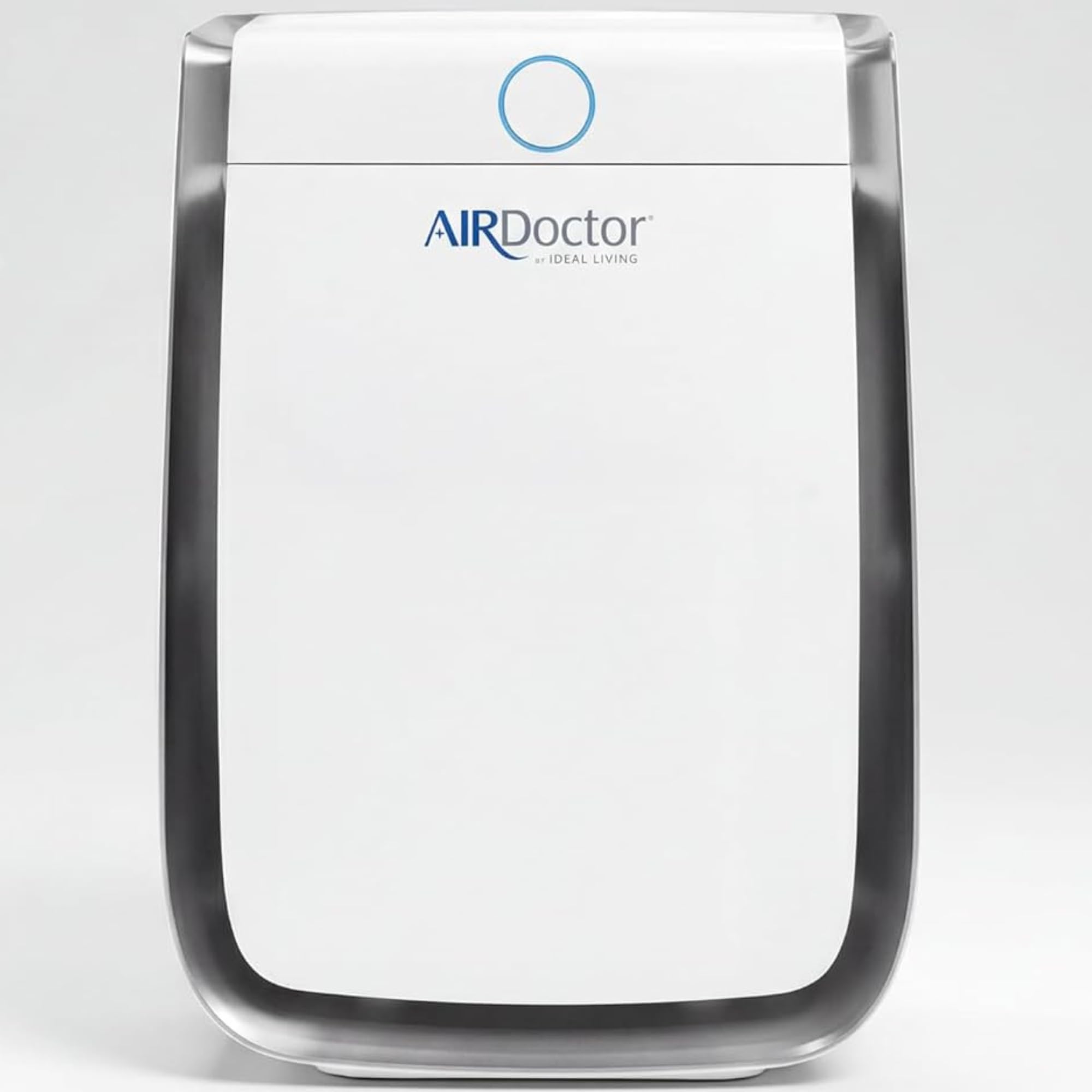
The AirDoctor 3500 is a heavy-duty, professional-grade purifier that pairs its proprietary UltraHEPA filtration with a robust carbon stage. It is engineered to ramp up automatically when pollutants spike, providing continuous, high-efficiency filtration across 2,520 square feet. This is not a compact unit; it takes up floor space and commands a premium price, but it is built to handle serious particulate loads like wildfire smoke, heavy mold spores, and dense pet dander.
This unit secured our highest score because its UltraHEPA filter captures particles as small as 0.003 microns, significantly outperforming standard HEPA requirements. It is the best option for highly sensitive respiratory systems or homes situated in frequent wildfire zones. Keep in mind, no purifier will eliminate all indoor allergens, but this hardware offers the highest ceiling for particulate reduction.
Pros
- Captures 0.003-micron particles
- Excellent auto-response sensors
Cons
- Large footprint requires space
- Higher initial cost of entry
Tech Specs
| Major Features |
|
| Interface | Automatic Sensing Response |
| Power Requirement | Standard Wall Outlet |
| Workflow Benefit | 2,520 Sq Ft Coverage |
| Hardware Specificity | UltraHEPA + Premium Carbon |
Ideal For
- Medically sensitive individuals requiring aggressive filtration.
- Households dealing with intense seasonal allergies or frequent wildfire smoke.
Not For
- Budget-conscious buyers.
- Users trying to filter air in tiny bedrooms with limited floor space.
Editor's Take
If you need aggressive, uncompromising filtration and are willing to pay for it, the AirDoctor 3500 delivers the most thorough particulate capture on this list. It is an investment, but the tradeoffs make sense for vulnerable households.
Coway Mighty
Best for: All-Rounder
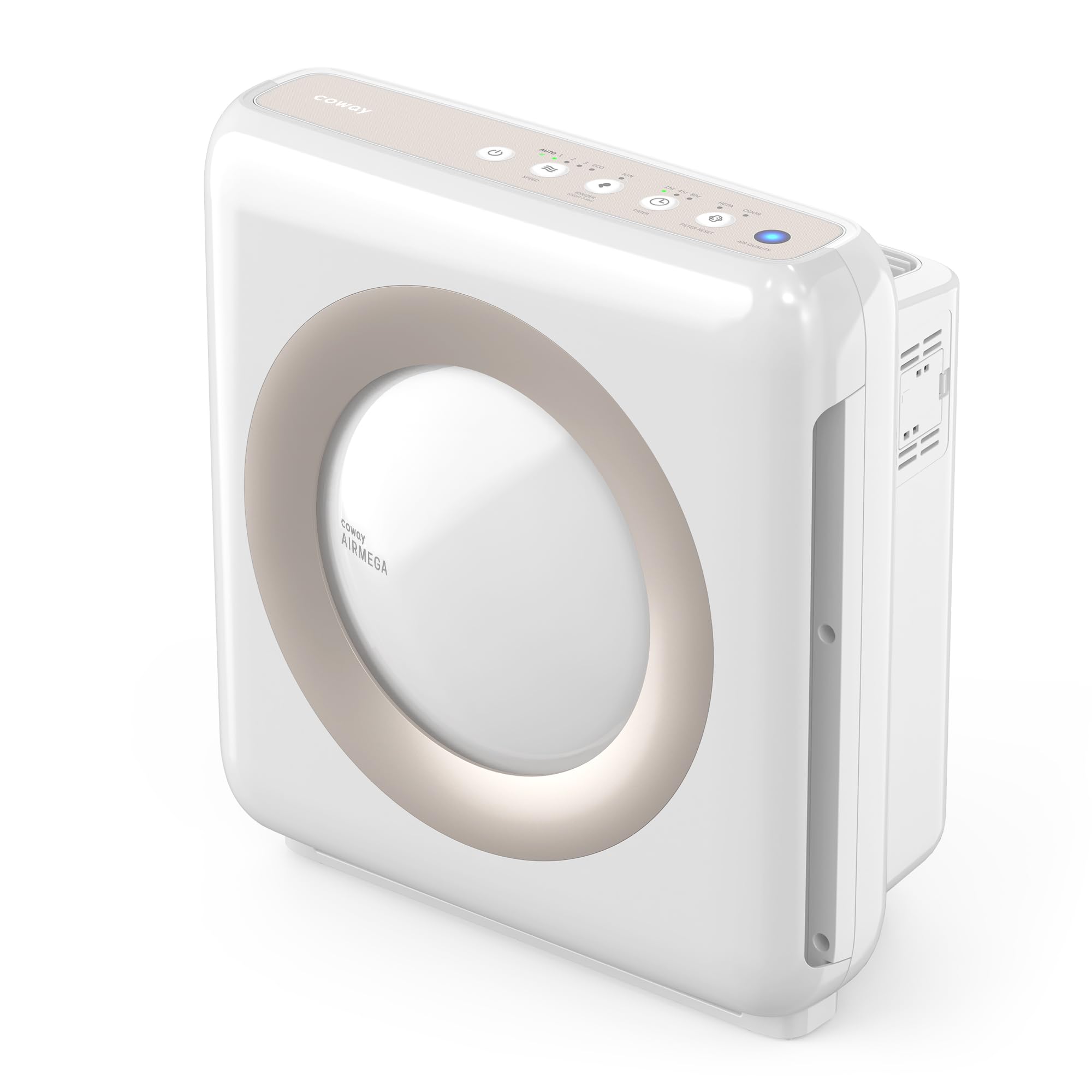
The Coway Mighty is a proven, reliable 4-stage True HEPA purifier that has dominated the mid-market for years. It features an air quality monitor that adjusts the fan speed based on real-time conditions. The unit is Energy Star certified and includes an optional ionizer, making it a highly efficient workhorse for standard bedrooms and medium-sized living spaces up to roughly 247 square feet.
It won the All-Rounder category because of its unique Eco Mode. If the air remains clean for 30 minutes, the fan shuts off entirely to save power, spinning back up only when the sensor detects a new pollutant spike. This solves the energy-drain problem common with always-on purifiers. It's the most balanced choice for standard daily use, though you'll need multiple units if you want to cover an entire house.
Pros
- Eco mode saves daily energy
- Proven True HEPA reliability
Cons
- Coverage limited to 247 sq ft
- Design is slightly dated
Tech Specs
| Major Features |
|
| Interface | Touch Controls & Auto Mode |
| Power Requirement | Energy Star Certified |
| Workflow Benefit | 247 Sq Ft Coverage |
| Hardware Specificity | True HEPA (4-Stage) |
Ideal For
- Users seeking a reliable balance of energy efficiency and performance.
- People who want an automated set-it-and-forget-it daily routine.
Not For
- People needing to clear massive open-concept architectural spaces.
- Buyers strictly opposed to ionizers (even though this one is toggleable).
Editor's Take
The Coway Mighty remains the benchmark for realistic, everyday indoor air management. It does exactly what it claims to do without unnecessary bloatware.
You might also be interested in...
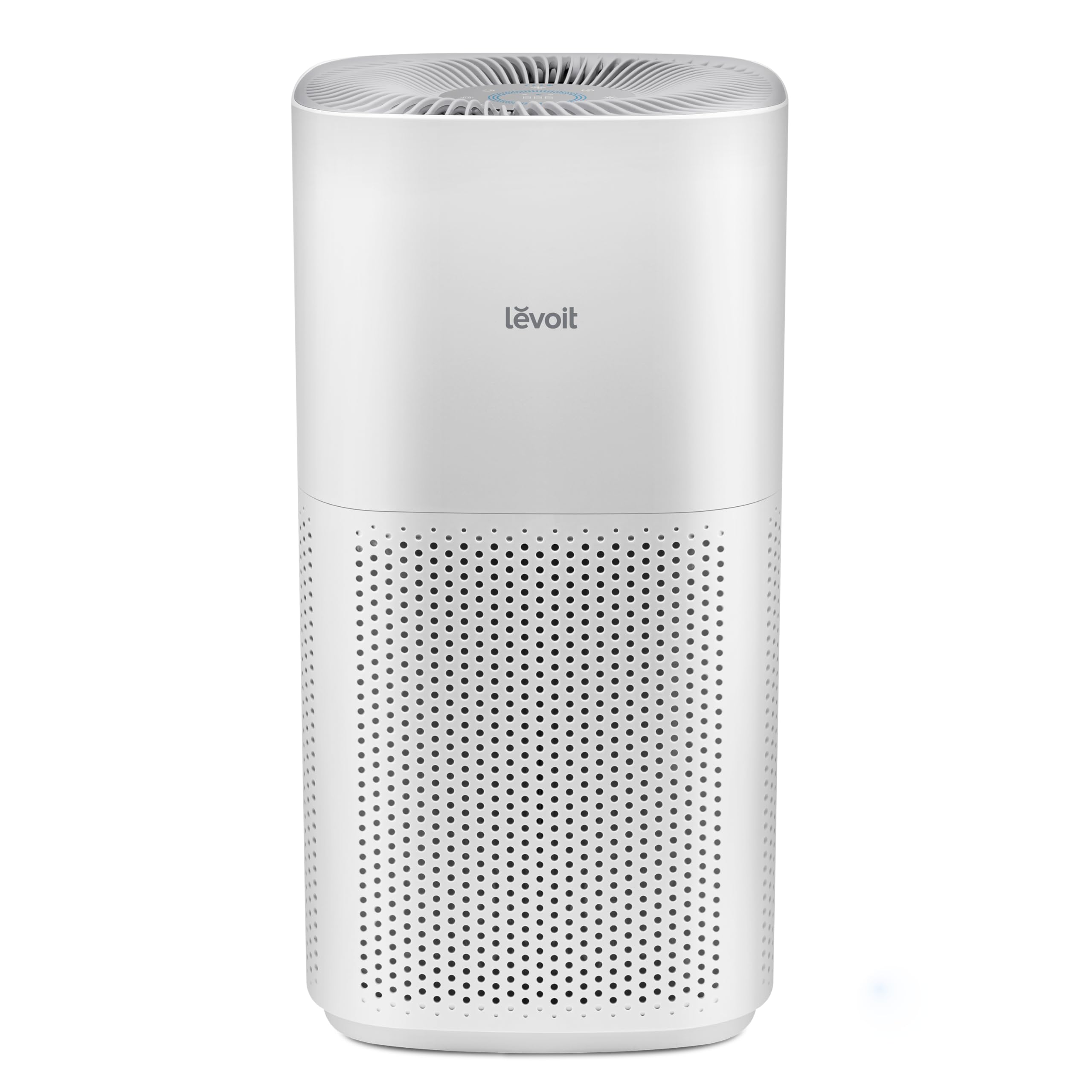

PuroAir 240
Best for: Large Rooms
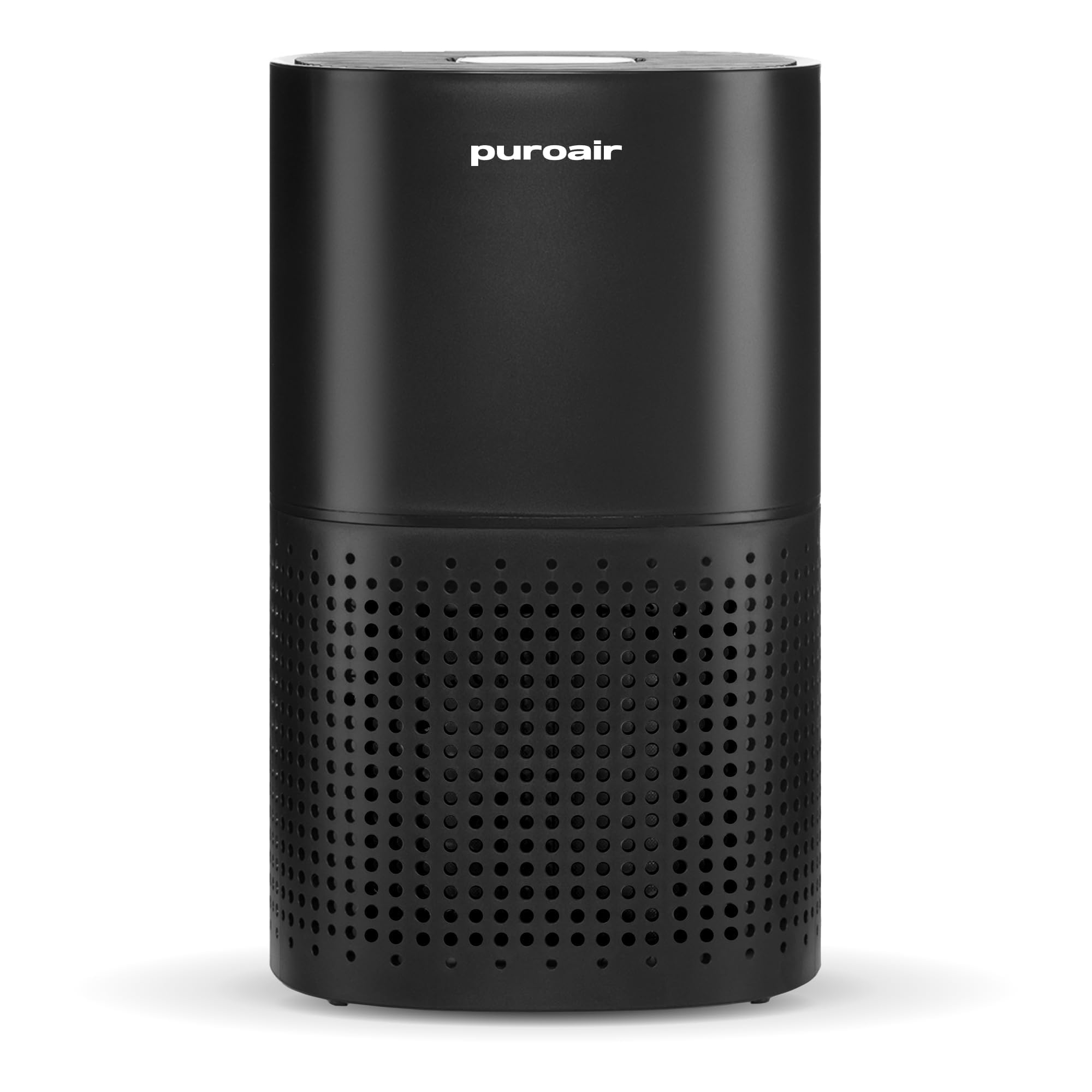
The PuroAir 240 is a floor-standing unit built to bridge the gap between small bedroom filters and massive industrial hardware. It pushes air across 1,000 square feet using a combination of HEPA filtration and activated carbon. An onboard automatic air quality sensor detects changes in your environment—like when you burn dinner or open a window during high pollen counts—and adjusts the fan speed accordingly.
It beat similar alternatives by offering immense coverage for an incredibly low 22-watt power draw. The dedicated carbon stage makes it highly effective at neutralizing volatile organic compounds (VOCs) and smoke. However, you should note that some long-term users report the development of minor mechanical noise over time, so it's better placed in a living room rather than right next to your pillow.
Pros
- Excellent coverage for the price
- Carbon handles smoke and odors
Cons
- Mechanical noise may develop
- Larger physical footprint
Tech Specs
| Major Features |
|
| Interface | Automatic Air Quality Sensor |
| Power Requirement | 22W Low Draw |
| Workflow Benefit | 1,000 Sq Ft Coverage |
| Hardware Specificity | HEPA + Activated Carbon |
Ideal For
- Homeowners with open-plan living rooms and kitchens.
- People who cook frequently and need rapid smoke or odor mitigation.
Not For
- Users who require absolute silence for light sleeping.
- Anyone looking for smartphone app integration.
Editor's Take
If you need to cover a lot of ground without spiking your electric bill, the PuroAir 240 is highly effective. Just be realistic about placing it in shared spaces rather than sleep sanctuaries.
Levoit Core Mini
Best for: Bedrooms

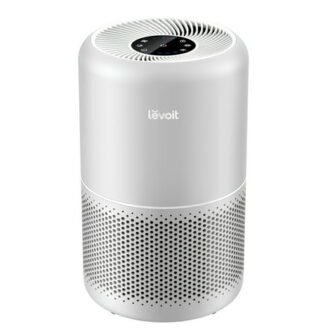
The Levoit Core Mini is a highly compact, 7-watt portable unit designed specifically for nightstands, dorms, and small offices. It utilizes a basic 3-in-1 filter system (pre-filter, HEPA, carbon) to clean up to 255 square feet. It also features a unique aroma pad, allowing you to add a few drops of essential oil to lightly scent the room while it filters the air.
This unit earned the bedroom category win because it has the lowest power draw on the list and an incredibly small footprint. It will not clear out a smoky living room, and it lacks automatic sensors, meaning you have to adjust the fan speed manually. However, as an unintrusive, highly targeted defense mechanism for the air immediately around your bed, it's a practical and cheap solution.
Pros
- Extremely low 7W power draw
- Compact bedside footprint
Cons
- Manual control only; no sensors
- Cannot handle large spaces
Tech Specs
| Major Features |
|
| Interface | Manual Controls |
| Power Requirement | 7W Ultra-Low Draw |
| Workflow Benefit | 255 Sq Ft Coverage |
| Hardware Specificity | 3-in-1 Filter System |
Ideal For
- Renters, students, and anyone with strict space limitations.
- People wanting a touch of aromatherapy alongside basic filtration.
Not For
- Users looking for hands-off automatic pollutant response.
- Anyone dealing with heavy particulate loads.
Editor's Take
The Levoit Core Mini is a specific tool for a specific job. It's cheap, unobtrusive, and highly effective as long as you limit it strictly to bedside or desktop duties.
Govee Mini
Best for: Budget Smart

The Govee Mini is an affordable HEPA purifier built to handle small-to-medium rooms (up to 376 square feet). It stands out by integrating Wi-Fi connectivity, allowing you to use a smartphone app or voice assistants to set schedules, toggle a sleep timer, or switch fan speeds from across the house. Like the Levoit, it also includes a small aroma pad for localized scent control.
It won the budget smart category because finding app control at this price tier is rare. However, we must point out a critical tradeoff: while it has "smart" connectivity, it lacks an automatic PM2.5 air quality sensor. It will not automatically spin up when air quality drops; you must dictate its behavior via the app. Buy it for the remote control convenience, not for environmental automation.
Pros
- App and voice scheduling
- Highly portable design
Cons
- Lacks automatic PM2.5 sensor
- Basic filtration only
Tech Specs
| Major Features |
|
| Interface | App & Voice Control (No Auto-Sense) |
| Power Requirement | Standard Wall Outlet |
| Workflow Benefit | 376 Sq Ft Coverage |
| Hardware Specificity | Standard HEPA |
Ideal For
- Tech-savvy users who want to control their devices via routines or voice commands.
- People targeting specific problem areas, like near litter boxes.
Not For
- Users expecting the machine to react automatically to poor air quality.
- Buyers needing whole-room coverage beyond a basic bedroom.
Editor's Take
The Govee Mini is great if you love controlling your smart home ecosystem via an app, but don't confuse its connectivity for environmental awareness. It still requires your input.
Blueair 211i Max
Best for: High-Capacity

The Blueair 211i Max is a highly capable machine designed to move massive volumes of air. It uses proprietary HEPASilent technology—a mix of mechanical filtration and an electrostatic charge—to clean spaces up to 3,048 square feet. It includes app controls, an easily washable fabric pre-filter, and a smart RealTrack algorithm that calculates exactly when you need to change your main filter based on real-world usage.
It beat out the competition for sheer capacity. Boasting a Clean Air Delivery Rate (CADR) of 410, it cycles open-concept homes significantly faster than standard units. The tradeoff for this massive airflow is its 46-watt power draw—the highest on our list—and a substantial physical footprint. It's overkill for an apartment, but for sprawling floor plans, it’s highly effective.
Pros
- Massive 3,048 sq ft coverage
- Washable pre-filter saves money
Cons
- Highest power draw at 46W
- Very large physical size
Tech Specs
| Major Features |
|
| Interface | Smart App & Auto Sensing |
| Power Requirement | 46W (Highest in class) |
| Workflow Benefit | 3,048 Sq Ft Coverage |
| Hardware Specificity | HEPASilent Tech |
Ideal For
- Families with large open-plan homes or light commercial spaces.
- Users who want exact filter-life tracking rather than a simple countdown timer.
Not For
- Apartment renters with limited space.
- Buyers looking to minimize energy consumption.
Editor's Take
If you have the square footage and the floor space, the Blueair 211i Max moves an exceptional amount of air quickly. It’s the brute-force solution to poor indoor air quality.
Shark BreatheClear
Best for: No-Change Filters
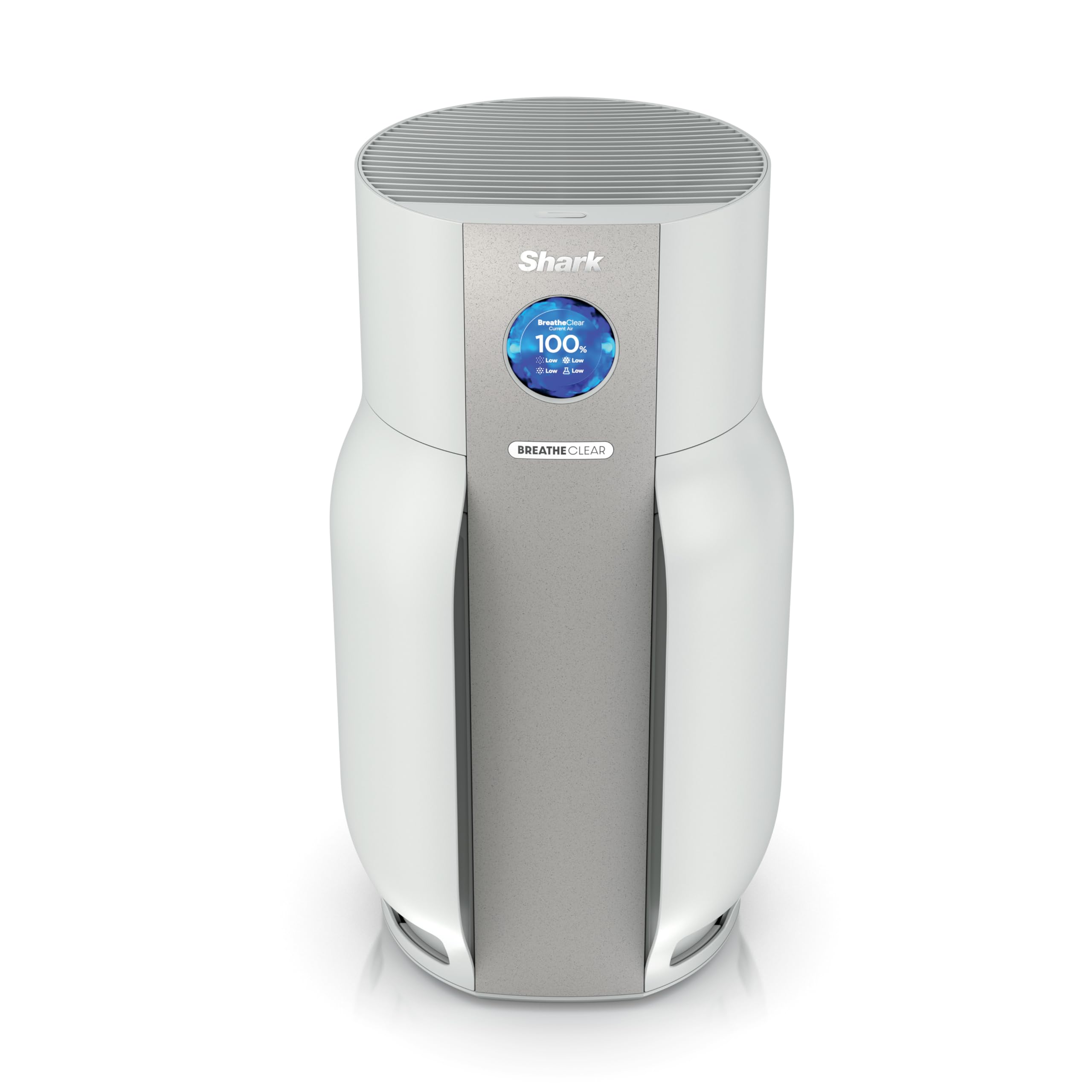
The Shark BreatheClear is built to cover large 1,650-square-foot areas while aggressively scanning the air 3,600 times per hour to auto-adjust its fan speed. Its most unique selling point is the "NeverChange" system, utilizing a proprietary heavy-duty filter designed to last up to six years under typical conditions without needing a replacement swap.
It earned its place on this list by addressing the single most frustrating aspect of air purifiers: the ongoing subscription-style cost of buying replacement filters. While the maintenance savings are massive, we must set a realistic expectation regarding noise. Because it relies heavily on pushing air through a long-lasting, dense filter, this unit runs noticeably louder at maximum speeds compared to its competitors. It’s a great trade-off, provided you place it in a busy hallway or living room rather than a quiet study.
Pros
- Zero filter swaps for up to 6 years
- Highly responsive auto-sensors
Cons
- Very loud at maximum speeds
- Bulky design profile
Tech Specs
| Major Features |
|
| Interface | Hyper-Frequent Auto Sensing |
| Power Requirement | Standard Wall Outlet |
| Workflow Benefit | 1,650 Sq Ft Coverage |
| Hardware Specificity | NeverChange HEPA-Exceeding |
Ideal For
- Homeowners who hate ongoing maintenance costs and chores.
- Busy households with high pet traffic requiring constant filtration.
Not For
- Users who require silent operation at all fan speeds.
- People filtering air in dedicated, quiet bedrooms.
Editor's Take
The Shark BreatheClear removes the recurring friction of air purifier ownership. You trade some acoustic comfort at high speeds for years of financial savings.
Product Comparison
| Product | Features | Score | Link |
|---|---|---|---|
AirDoctor 3500 |
| 96 | |
Coway Mighty |
| 93 | |
PuroAir 240 |
| 92 | |
Levoit Core Mini |
| 90 | |
Govee Mini |
| 90 | |
Blueair 211i Max |
| 89 | |
Shark BreatheClear |
| 85 |
Buyer’s Checklist: What Actually Matters
| Feature to Consider | Why It Matters |
|---|---|
Match the square footage realistically: | Calculate the room you want to clean, and buy a unit rated for slightly more than that area to prevent the fan from running at maximum volume 24/7. |
Demand true automation: | If you don't want to adjust fan speeds manually all day, verify the unit has an onboard PM2.5 air quality sensor, not just an app. |
Filter replacement costs: | Check the price of the replacement filters before buying the hardware. A cheap purifier with expensive monthly filters is a trap. |
Acknowledge the limits: | Filtration handles airborne particles. It does not replace a vacuum for dust settled in carpets, nor is it a guaranteed medical treatment. |
Final Thoughts
Tackling indoor air quality doesn't have to be a guessing game of marketing buzzwords. If you have severe respiratory sensitivities and need maximum particulate capture, the AirDoctor 3500 offers the uncompromising clinical-grade filtration required to ease ambient anxiety. Conversely, if you just want a reliable, set-it-and-forget-it unit that manages everyday dust without spiking your power bill, the Coway Mighty is your best long-term bet.
For sheer volume, the Blueair 211i Max and PuroAir 240 aggressively cycle the air in open-plan spaces, giving you peace of mind during wildfire season or after burning dinner. If you despise maintenance, the Shark BreatheClear removes the mental load of filter subscriptions, provided you can handle the fan noise. And for those operating on a strict budget in tight spaces, the Levoit and Govee mini units prove that targeted bedside defense doesn't require massive financial investment. Buy the tool that fits your specific friction point, place it where you breathe the most, and let the hardware do the heavy lifting.
Frequently Asked Questions
How do I choose the right air purifier?
Start with the square footage of the room where you will place it, ensuring the unit’s coverage rating matches or slightly exceeds your space. Look for HEPA-grade filtration to ensure adequate particle capture, and decide whether you want a machine that automatically adjusts to air quality or if you're comfortable managing fan speeds manually.
Where should I place an air purifier for best results?
Put it in the room where you spend the most stationary time, usually the bedroom or living room. Keep it away from walls, corners, or thick furniture to ensure it can pull in air from all directions efficiently. Never place it right next to a running humidifier, as moisture can ruin dry filters.
How often do I need to maintain or replace filters?
It depends heavily on your environment and the specific hardware. Typical HEPA filters last 6 to 12 months, though heavy pet dander or smoke exposure shortens that lifespan. Washable pre-filters should be vacuumed or rinsed monthly to maintain airflow.
Do air purifiers actually help with allergies?
They can significantly reduce the airborne load of pollen, dust mites, and pet dander in an enclosed space, which often lessens the severity of allergic reactions. However, this is not a medical guarantee; they only filter what is currently floating in the air, not what has already settled onto your furniture or carpets.
What is the difference between True HEPA and UltraHEPA?
True HEPA is an industry standard certifying that a filter captures at least 99.97% of particles down to 0.3 microns. "UltraHEPA" is a proprietary term used by specific brands (like AirDoctor) to indicate their filters capture even smaller particles—often down to 0.003 microns—offering a higher ceiling of filtration for severe sensitivities.
 Walmart.com
 Walmart.com