Why “Smart” Matters (Beyond Just Being Cool)
A standard air purifier is basically a fan and a filter. You turn it on, it cleans the air, and that’s it. But asthma triggers don’t follow a schedule. They spike when you’re frying bacon, when the dog shakes off after a walk, or when the humidity climbs.
A smart air purifier bridges that gap with onboard sensors. These units monitor Particulate Matter, especially PM2.5, in real time. Instead of you guessing when the air feels “heavy,” the machine sees the spike and automatically ramps up the fan speed to scrub the air before you start wheezing. It’s the difference between reactive and proactive health management.
The True HEPA Standard
Don’t get distracted by fancy marketing terms like “HEPA-like” or “99% effective.” For asthma management, True HEPA is the only term that counts. It’s certified to trap 99.97% of particles as small as 0.3 microns. To put that in perspective, a human hair is about 70 microns wide. We are talking about stopping the invisible stuff that actually gets deep into your lungs.
Beyond Dust: Tackling VOCs and Odors
Standard filters are great for dust, but they’re useless against gases. Your home is often a cocktail of Volatile Organic Compounds, or VOCs—tiny chemicals from floor cleaners, new furniture, or that scented candle you lit to relax. For an asthmatic, these aren’t just smells; they’re respiratory landmines.
To handle these, you need a purifier with a substantial Activated Carbon filter.
The Reality Check:
Many budget “smart” purifiers use a thin, carbon-coated sponge. It might take the smell of old gym socks out of the air, but it won’t do much for heavy chemicals.
The Fix:
Look for units that boast pounds of pelletized carbon. These act like a chemical sponge, soaking up smoke, paint fumes, and cooking odors that HEPA filters can’t touch—so those “intended aromas” don’t overstay their welcome and irritate your lungs.
The Role of UV-C (And a Warning)
Some smart purifiers add a UV-C light stage to target microscopic pathogens like bacteria and viruses. By disrupting the DNA and RNA structures of these microorganisms, it adds a layer of protection during flu season, effectively neutralizing pathogens before they can spread.
The Nerdy Caveat: If you have asthma, ensure the unit is certified Ozone-Free. Some UV technologies can produce ozone as a byproduct, which is a known lung irritant. A truly “smart” purifier should solve your breathing problems, not add to them. While UV-C is energy-efficient and offers peace of mind, its safety in an asthma-friendly home depends entirely on that ozone-free certification.
The Hidden Threats: Radon and Asbestos
Let’s be blunt: an air purifier is not a replacement for professional mitigation.
| Threat | What to know |
|---|---|
| Radon | This is a radioactive gas that seeps from the soil into your foundation. While certain high-end purifiers with massive carbon beds can help reduce radon decay products, they do not stop the gas. If you suspect radon, get a $20 test kit and call a specialist. |
| Asbestos | If you have old insulation or floor tiles crumbling in your attic, do not expect a HEPA filter to keep you safe. Asbestos fibers are dangerous when disturbed. A purifier might catch some stray fibers, but it won’t solve the source of the problem. |
Better Air, Better Sleep

Sleep is when your body is supposed to recover, but it’s hard to rest when you’re mouth-breathing because of a stuffed nose. Most smart purifiers feature a Sleep Mode that dims the lights and drops the fan to a whisper-quiet decibel level.
By keeping the air clean in the bedroom 24/7, you reduce the “allergen load” your body has to deal with overnight. This often results in waking up without that heavy, congested feeling in your chest.
Best for Bedrooms

Levoit Core Mini
A compact, quiet 3-in-1 HEPA air purifier designed for nightstands and small rooms, featuring an integrated aroma pad for customizable fragrance.
View Specs & Features
Key Benefits
- Ultra-quiet operation optimized for sleep environments
- Compact footprint ideal for desks and bedside placement
- Energy Star certified for low-cost continuous operation
Special Highlights
- Aroma pad for essential oil distribution
- 3-in-1 filtration captures pollen, dust, and odors
- Single-button control for simple daily operation
| Room Coverage | 255 Square Feet |
| Noise Level | 27–45 dB |
| Power Consumption | 7W |
Best for Large Rooms
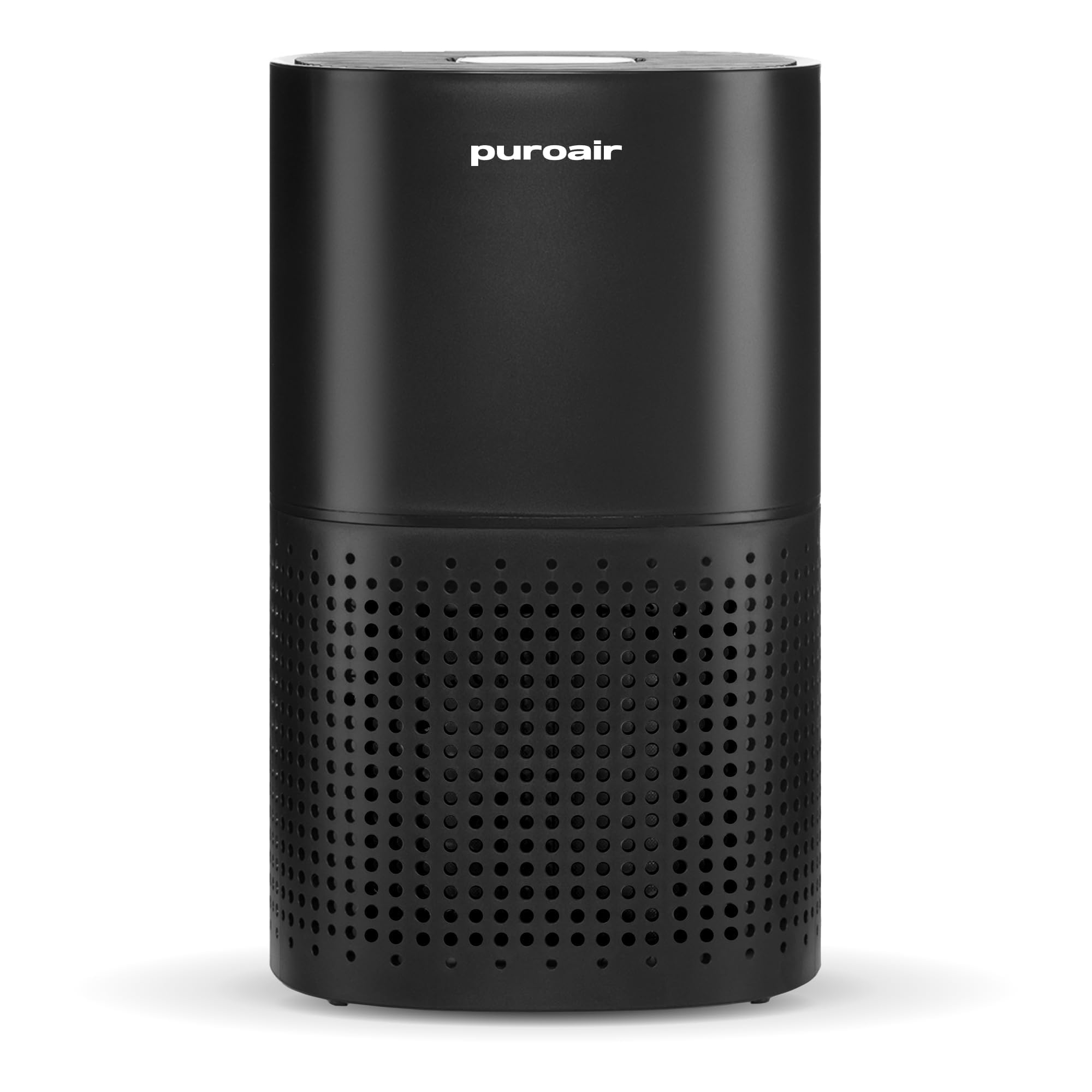
PuroAir 240
A floor-standing HEPA purifier built for large shared spaces, utilizing an automatic sensor to adjust fan speed based on real-time air quality.
View Specs & Features
Key Benefits
- Large room coverage suitable for open-plan living areas
- Effective capture of smoke, VOCs, and fine particulates
- Whisper-quiet sleep mode for nighttime use
Special Highlights
- Automatic air quality sensor with fan speed adjustment
- Integrated filter replacement indicator
- Activated carbon stage for heavy odor neutralization
| Room Coverage | 1,000 Square Feet |
| Filter Type | HEPA with Activated Carbon |
| Power Draw | 22 Watts |
Best High-Capacity

Blueair 211i Max
High-output smart purifier leveraging HEPASilent technology to rapidly clear very large spaces with advanced filter-life monitoring and app control.
View Specs & Features
Key Benefits
- High Clean Air Delivery Rate (CADR 410) for rapid cycling
- App and voice assistant compatibility for remote management
- Low noise profile even at high fan speeds
Special Highlights
- RealTrack algorithm for precise filter-life tracking
- Washable fabric pre-filter to extend main filter life
- Smart sensors adjust fan based on particulate levels
| Room Coverage | 3,048 Square Feet |
| Filtration Tech | HEPASilent with Activated Carbon |
| CADR Rating | 410 |
Best Budget Smart

Govee Mini
An affordable, smart-enabled bedroom purifier featuring HEPA filtration, aroma pad support, and full app-based scheduling and control.
View Specs & Features
Key Benefits
- Smartphone app and voice control for hands-free adjustments
- Portable, lightweight design for targeted air treatment
- Quiet night mode preserves sleep quality
Special Highlights
- Programmable timers and scheduling via Govee Home app
- Integrated aroma pad for mild scenting
- Triple-speed fan control for varied conditions
| Room Coverage | 376 Square Feet |
| Filter Type | HEPA |
| Connectivity | Wi-Fi & Bluetooth (App/Voice) |
Best Hospital-Grade
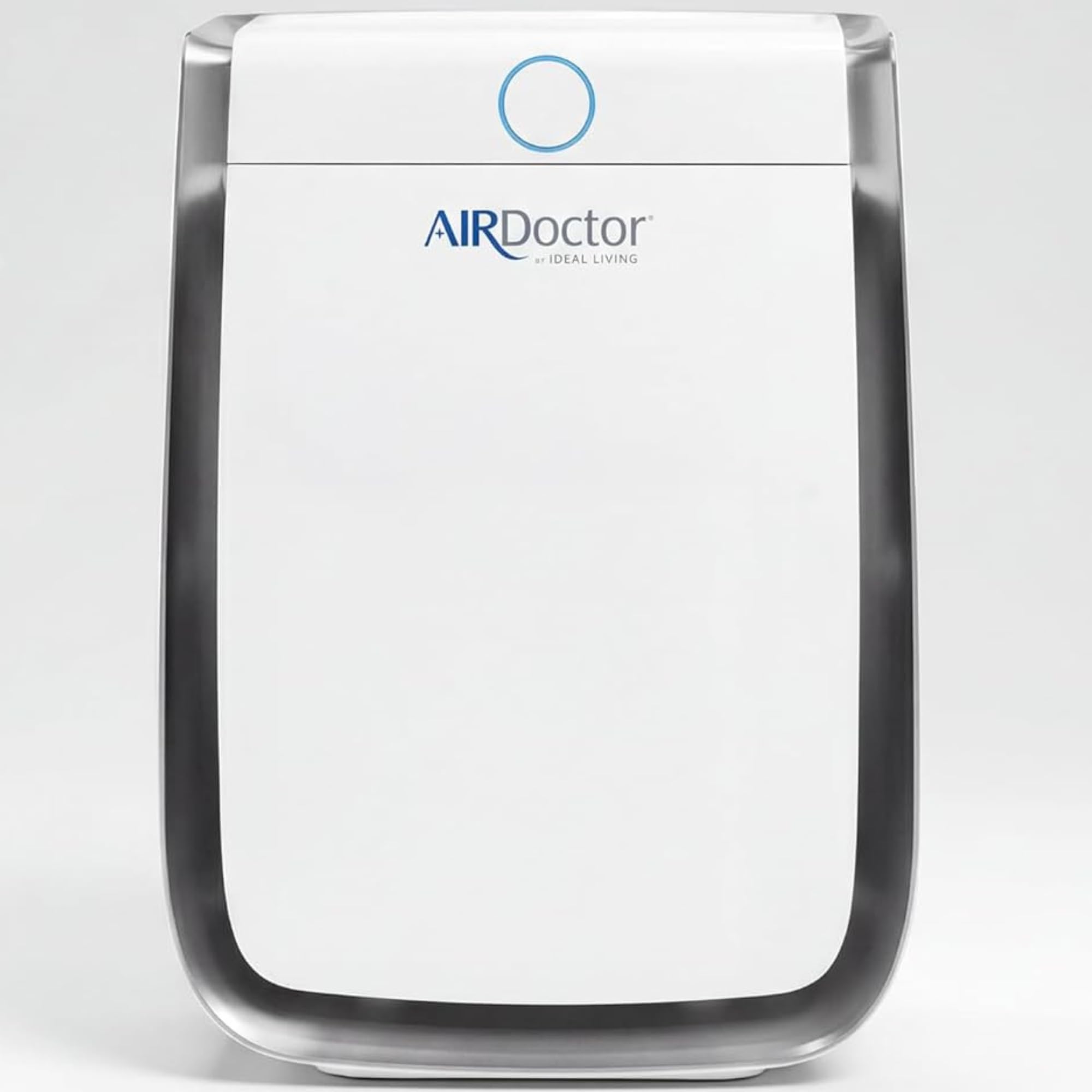
AirDoctor 3500
A heavy-duty hospital-grade purifier with UltraHEPA filtration designed to capture ultrafine particles, mold spores, and odors in large homes.
View Specs & Features
Key Benefits
- UltraHEPA capture for particles down to 0.003 microns
- High-efficiency carbon filtration for VOCs and odors
- Reliable protection for medically sensitive household members
Special Highlights
- Automatic sensing ramps fan speed during pollutant spikes
- Whisper-quiet operation on low-capacity settings
- Solid professional build quality for longevity
| Room Coverage | 2,520 Square Feet |
| Filter Class | Hospital-Grade UltraHEPA |
| Filtration Stages | 3-Stage (UltraHEPA + Carbon + Pre-filter) |
Best No-Change Filters
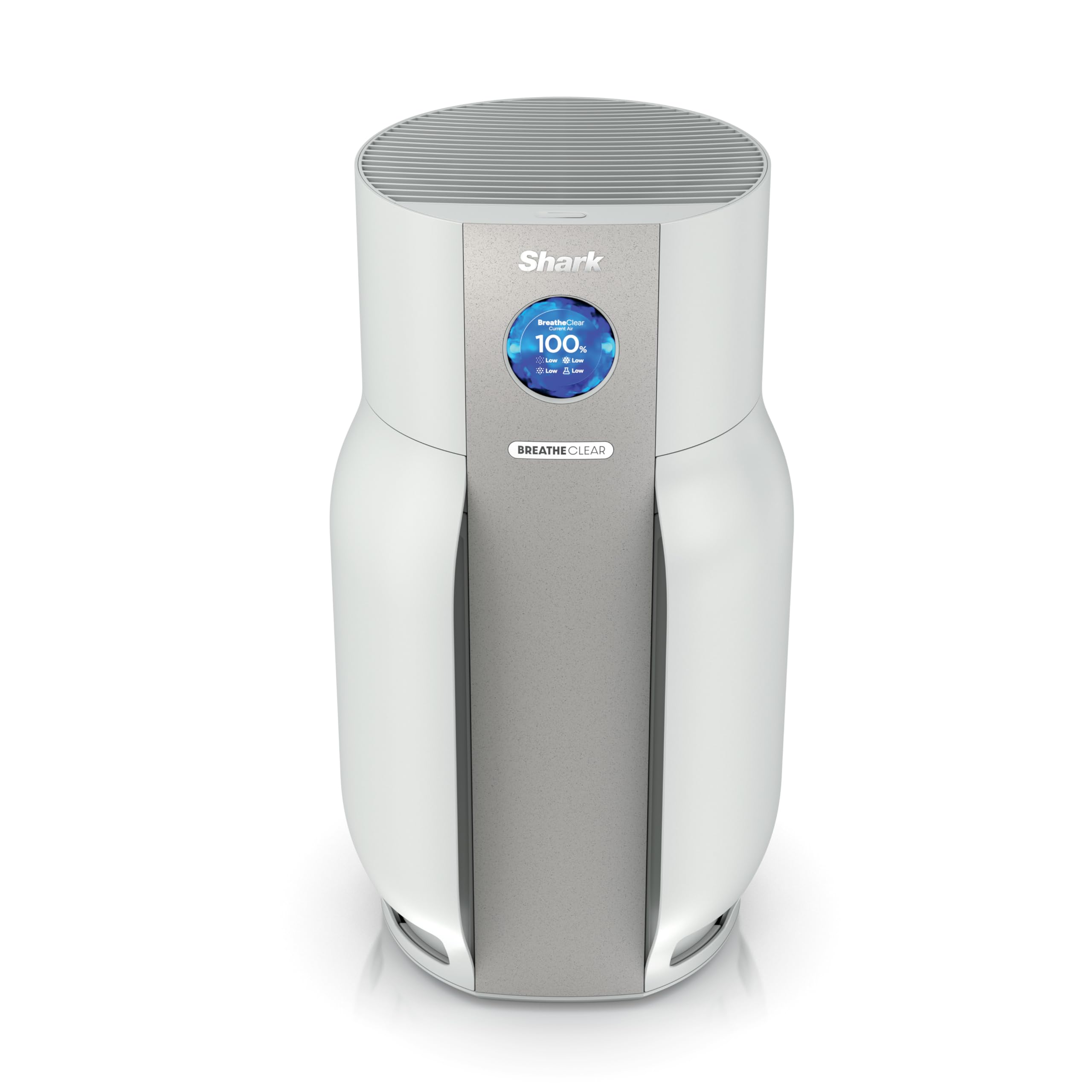
Shark BreatheClear
A high-capacity purifier featuring a "NeverChange" system that provides up to 6 years of HEPA-exceeding filtration without filter swaps.
View Specs & Features
Key Benefits
- Low maintenance with multi-year filter longevity
- HEPA-exceeding capture of allergens and fine particulates
- Real-time air scanning (3,600x per hour) for rapid response
Special Highlights
- Integrated odor neutralizer for fresh-smelling rooms
- Automatic fan adjustment based on air quality spikes
- Suitable for managing wildfire smoke and heavy dander
| Room Coverage | 1,650 Square Feet |
| Filter Life | Up to 6 Years |
| Filtration Standard | HEPA-Exceeding |
Best All-Rounder
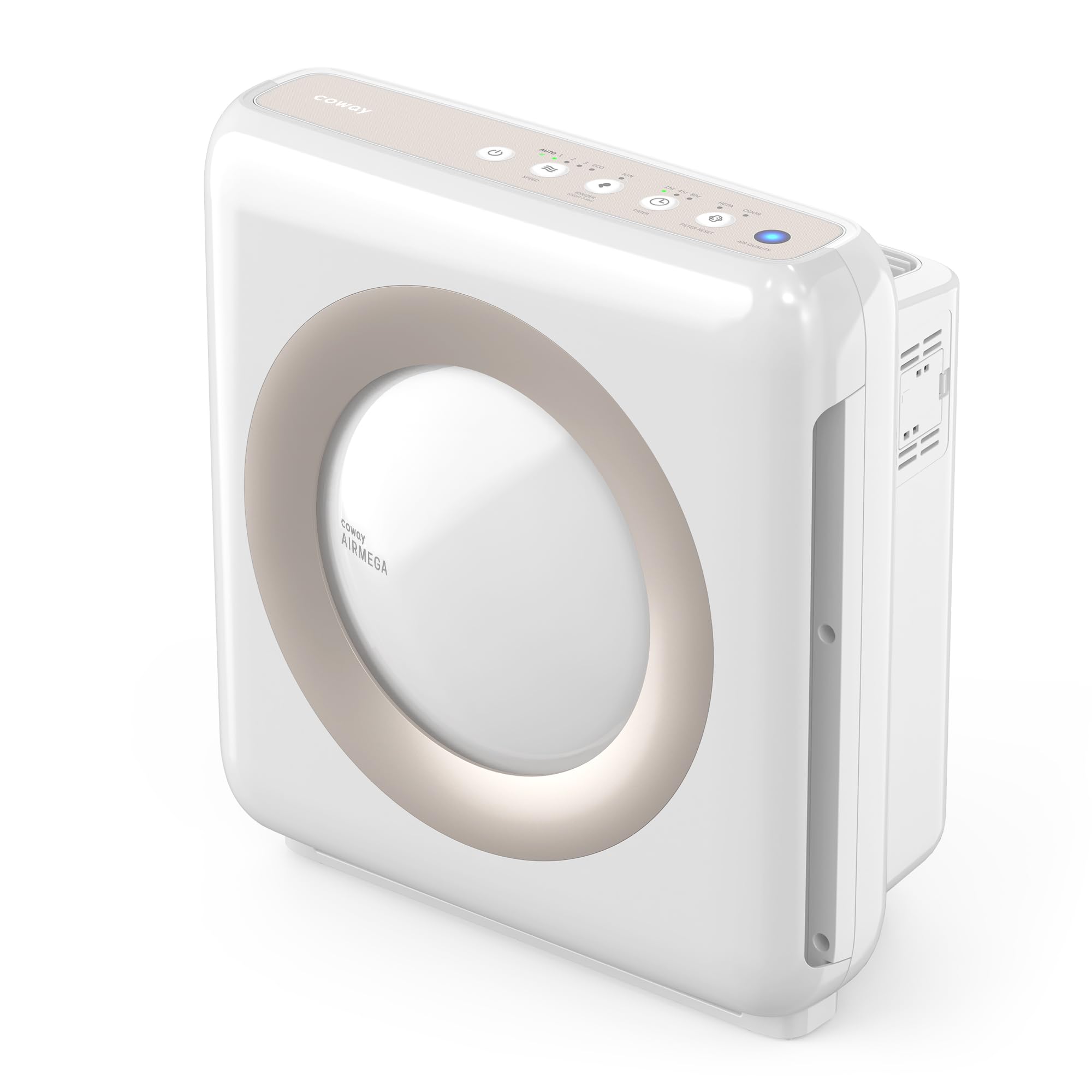
Coway Mighty
A legendary True HEPA purifier combining 4-stage filtration with intuitive controls and an energy-efficient Eco mode for consistent performance.
View Specs & Features
Key Benefits
- Four-stage filtration including True HEPA and Ionizer
- Eco mode minimizes power draw when air is clean
- Reliable particulate monitoring with color-coded alerts
Special Highlights
- Energy Star certified for high-efficiency operation
- Intuitive touch controls with integrated filter indicators
- Compact, versatile design for bedrooms and offices
| Room Coverage | 247 Square Feet |
| Filter Type | True HEPA |
| Filtration Stages | 4-Stage |